
REVIVING THE COMMONS.
REBUILDING THE REAL ECONOMY.

Background
Across much of history, societies drew a clear moral line around practices that entrapped people in compounding debt, allowed the wealthy to profit without producing anything of value, and stripped communities of land and livelihood. Ancient legal and moral codes — from the Old Testiment to classical Islamic jurisprudence — treated charging interest on loans as exploitation of vulnerable people rather than legitimate business. Many Indigenous societies and early civilizations placed strict limits on lending and monopoly powers because they saw how unchecked financial gain undermined social cohesion.

Today’s global financial system inverts those norms. Banks create money as loans, expanding the money supply without corresponding increases in real goods and services. Most credit flows to those who already hold assets, inflating their wealth while leaving wages stagnant. As new money pours into existing assets, prices rise faster than earnings — producing inflation that erodes the value of wages, savings, and pensions. The result is structural inequality built into the design of the economy.
The richest ten percent of the world’s population now own about 75% of all wealth, while the poorest half own about 2%. Extreme wealth concentration is not an accident; it is the predictable outcome of a system that channels most gains to the top.
Economy Without Ethics


Our world is drowning in debt, from households to governments. Total global debt is above 235% of world GDP, meaning the world owes more than double its yearly output. Low-income countries will soon pay more in interest than basic services or investment in human potential.
Majalis exists because the crisis is structural — and because the alternative must be structural too.
Central Bankers, IMF Directors and Sovereign leaders have begun saying the quiet part out-loud: the “rules-based order” of Globalization set after WWII is coming to an end. AI and Robotics threaten massive unemployment. Major economic blocs move away from the dollar. Central Banks purchase gold at record rates.
Where most see crisis, we see this time of transition represents an opening - a window of opportunity where new paths can be paved. Real solutions, for real people. Real prosperity in the real economy.
Crisis → Opportunity
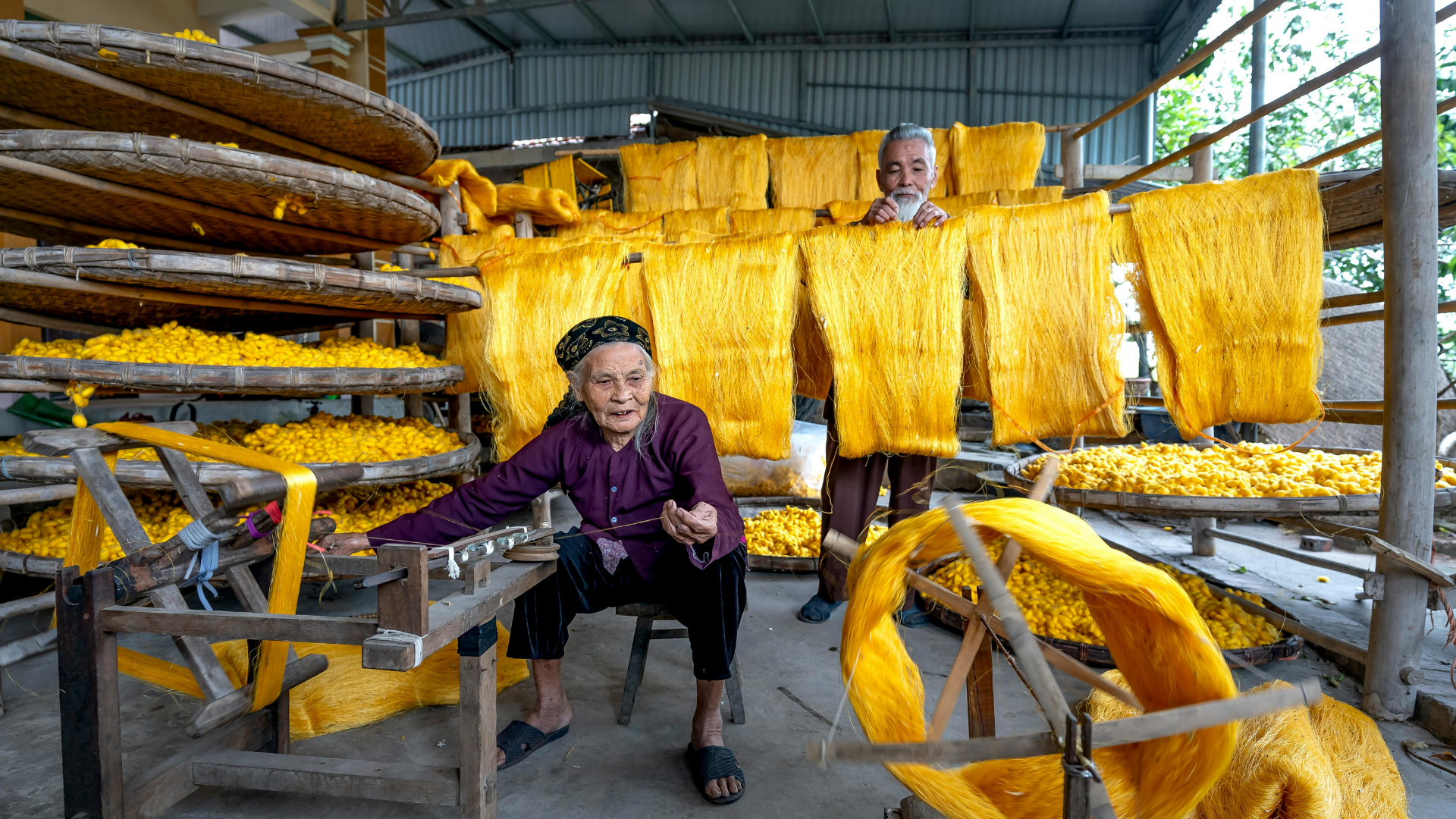
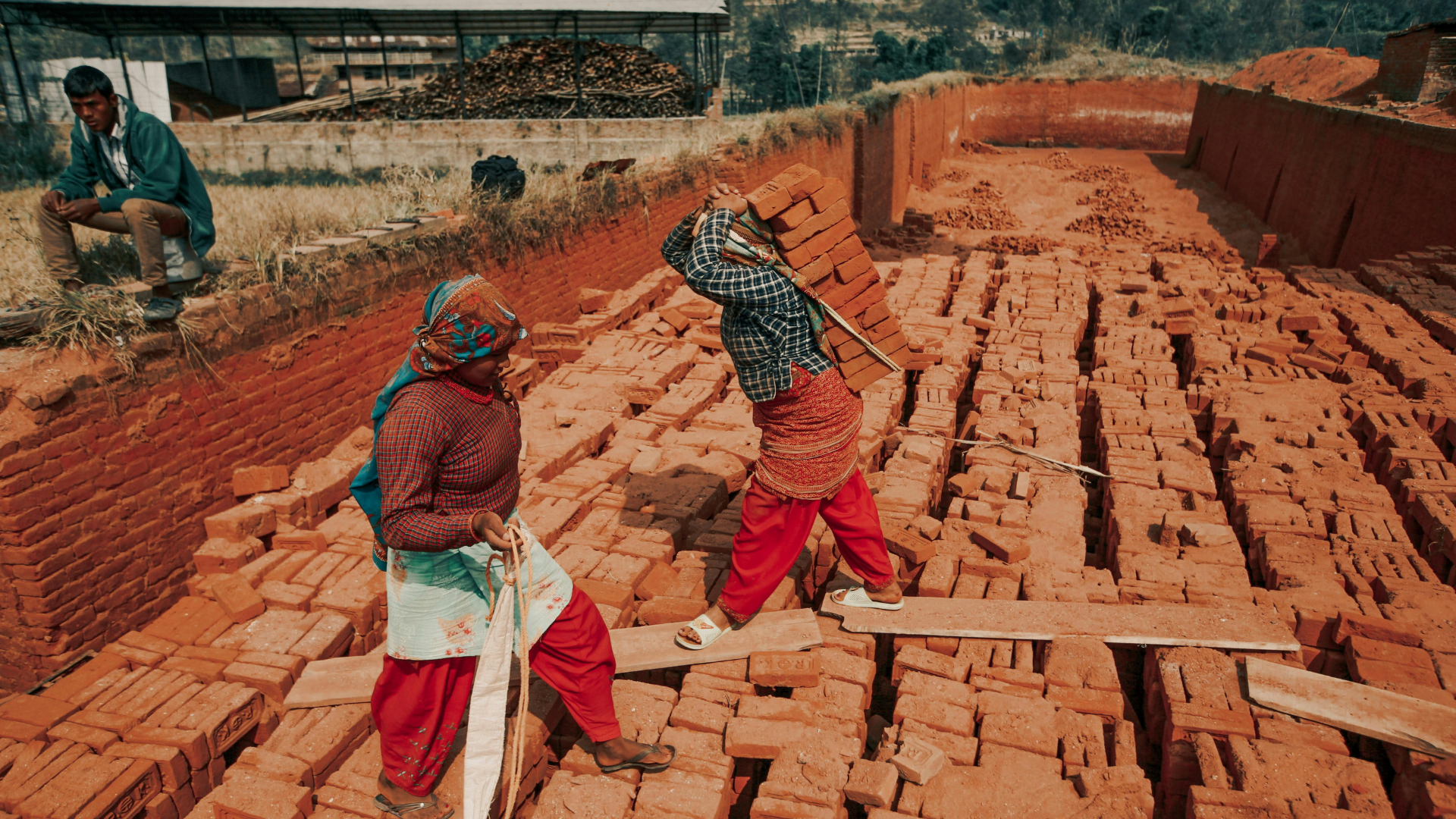

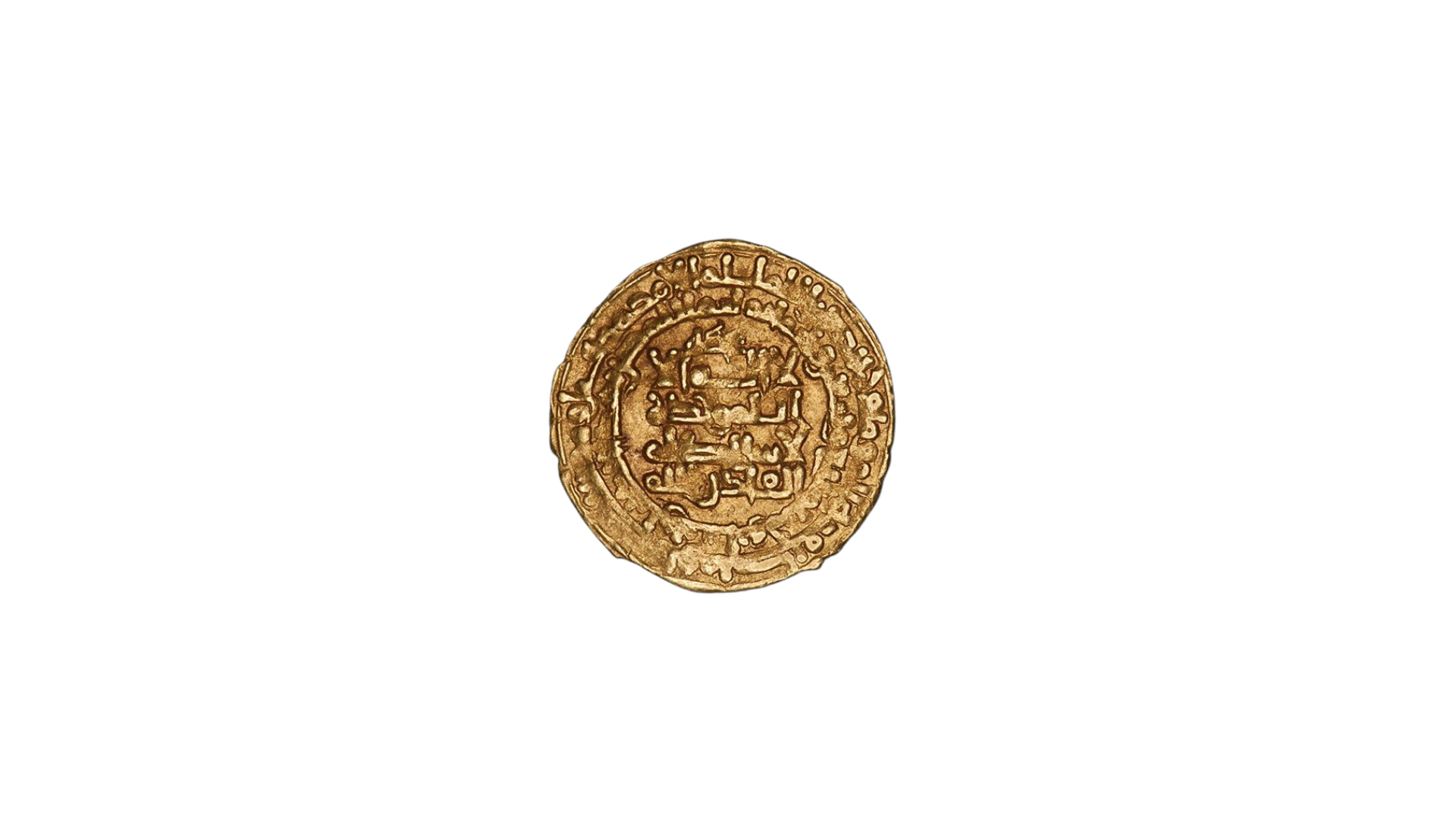
Majalis draws on principles and practices found in successful civilizations — from the trade networks of the Silk Road, to the Waqf Endowments of the Islamic Golden Age to the guild systems of medieval Asia — and adapts them for the present.
In this moral economy:
A Vision for a
Different Economy
COMMON’S FLOURISH
Vital resources and productive infrastructure are held in perpetual trusts for public benefit rather than private or state monopoly. Markets, workshops, farms, energy systems — even digital platforms — operate as endowments whose surpluses support social services. People gain access to the means of production without taking on crushing debt; they rent machines, tools, or workspace at cost, much like a cooperative makerspace. Historically endowments financed hospitals, schools, and markets; modern commons can do the same, with fees reinvested locally rather than extracted by corporate shareholders. Common infrastructure doesn’t push out private local enterprises - they enable and unite them.
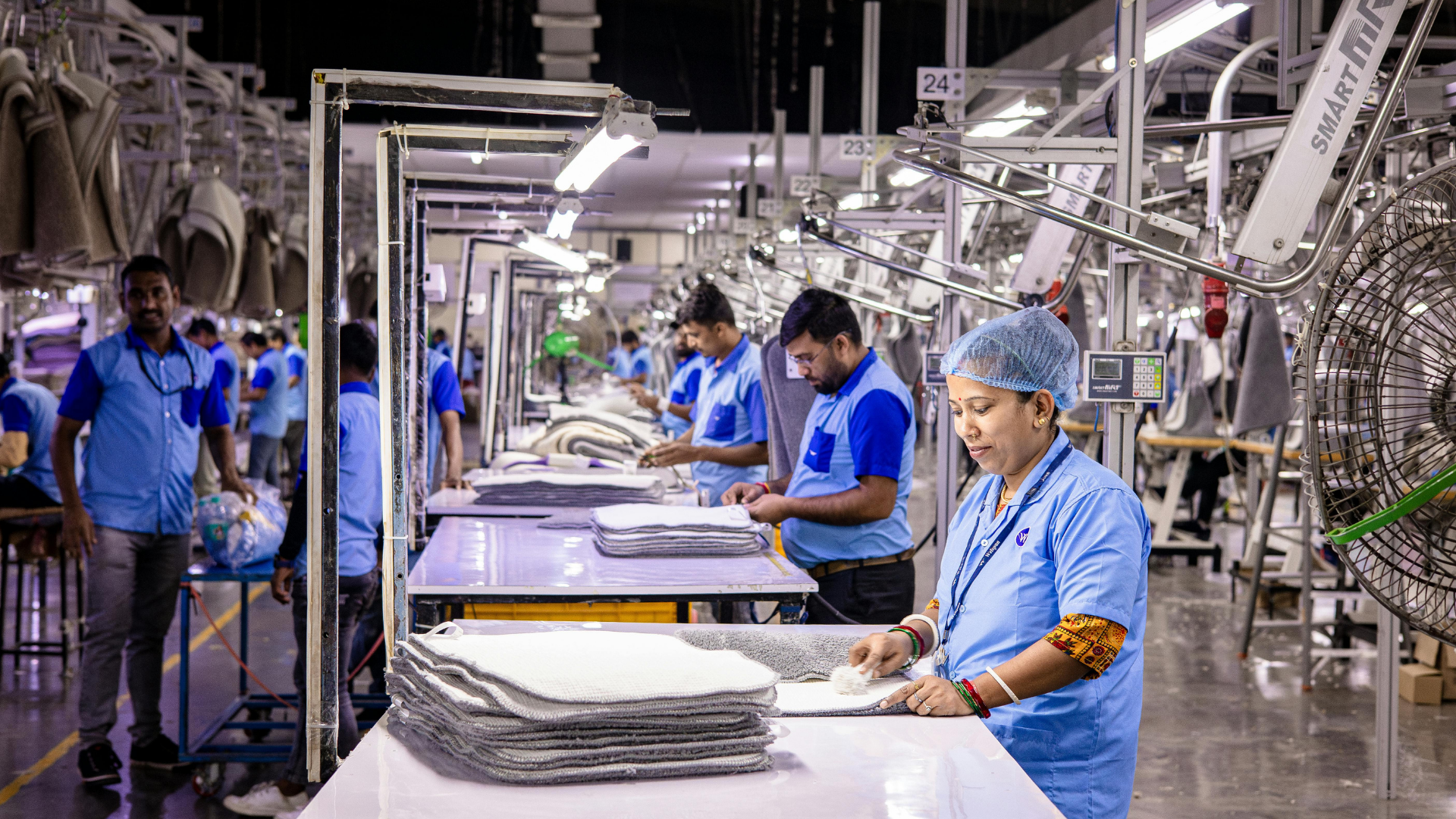
GUILDS ORGANIZE LABOR
& Paid Apprenticeship
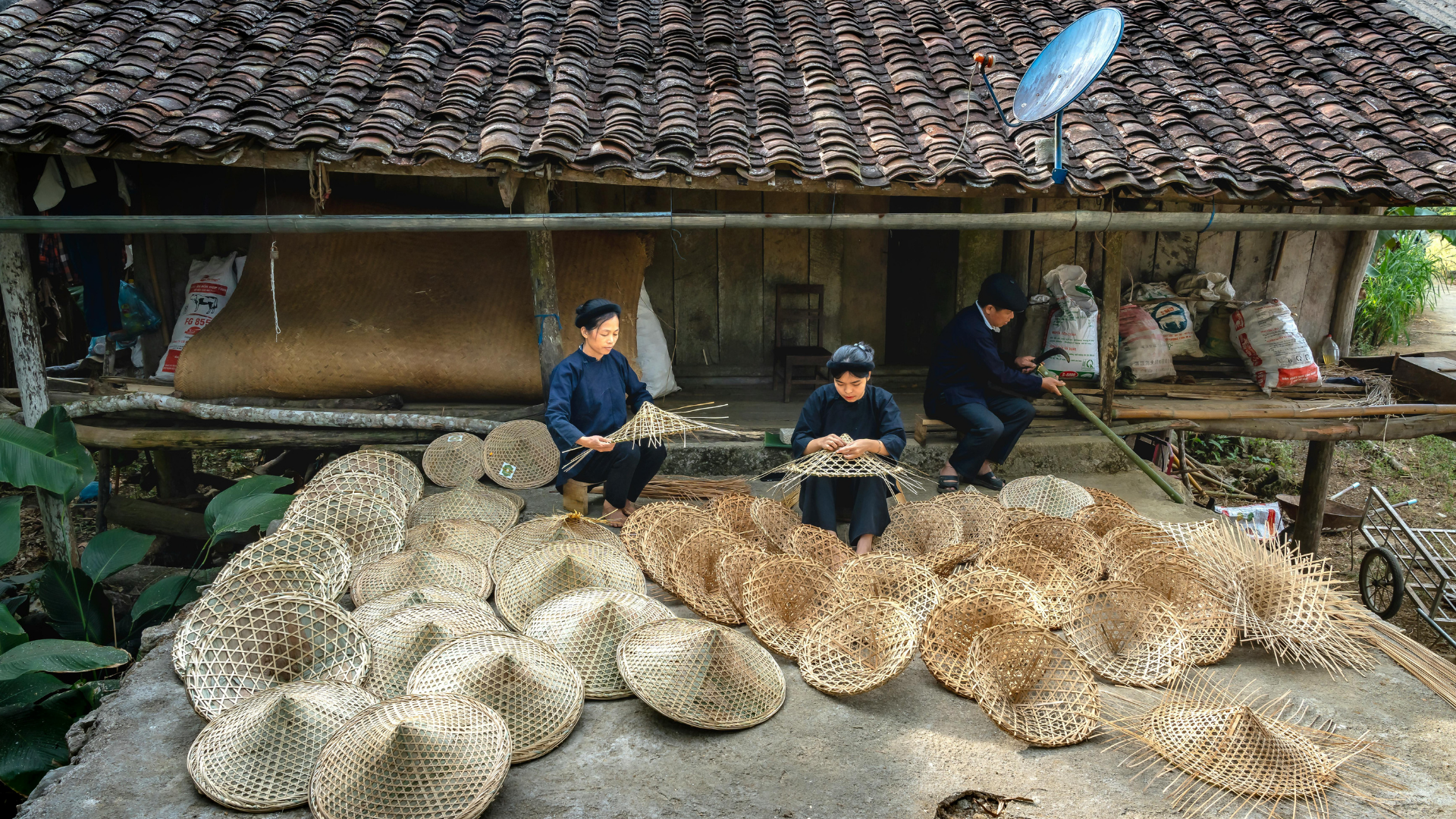
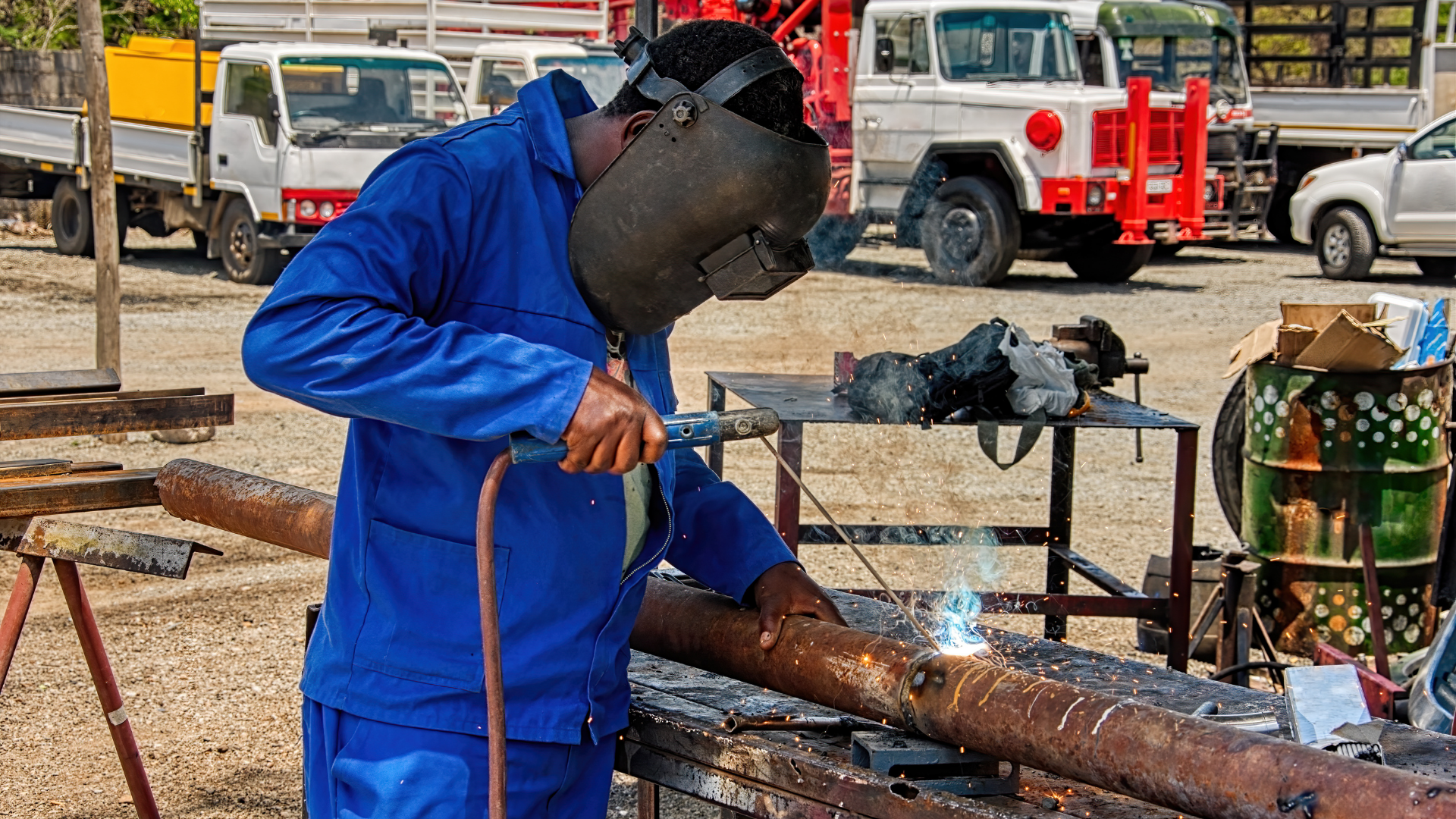
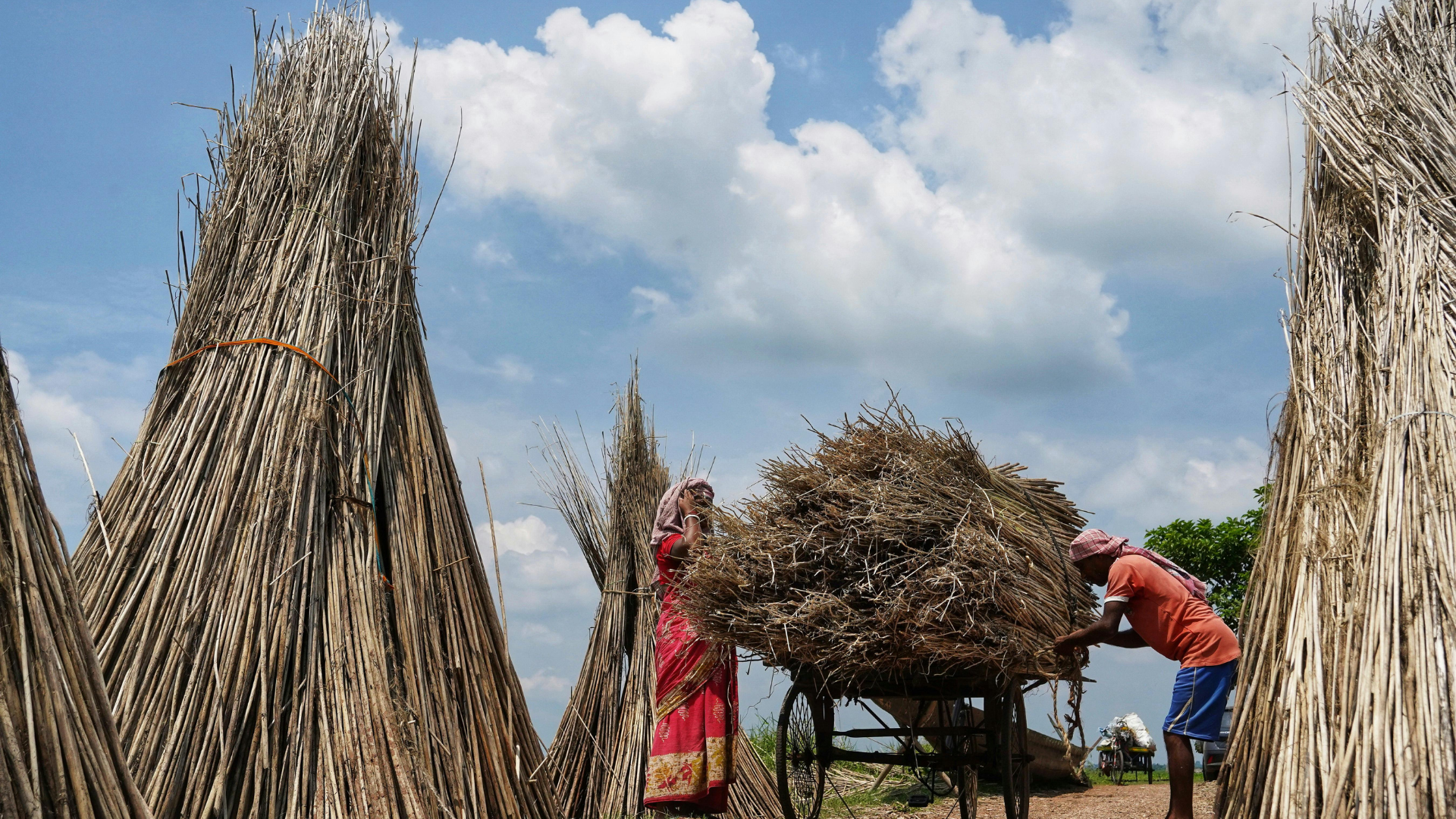
Instead of hierarchical employer–employee relationships, crafts and trades are organized into guilds that provide paid apprenticeships, shared equipment, quality control, and mutual credit insurance. Workers rent their skills and time to projects as dignified participants rather than disposable “human resources”. Guilds maintain standards, train new entrants, issue reputation-based credit, and support members who falter. Young generations enter new fields without incurring debt.
TRADE REPLACES
MIDDLE MAN COMMERCE
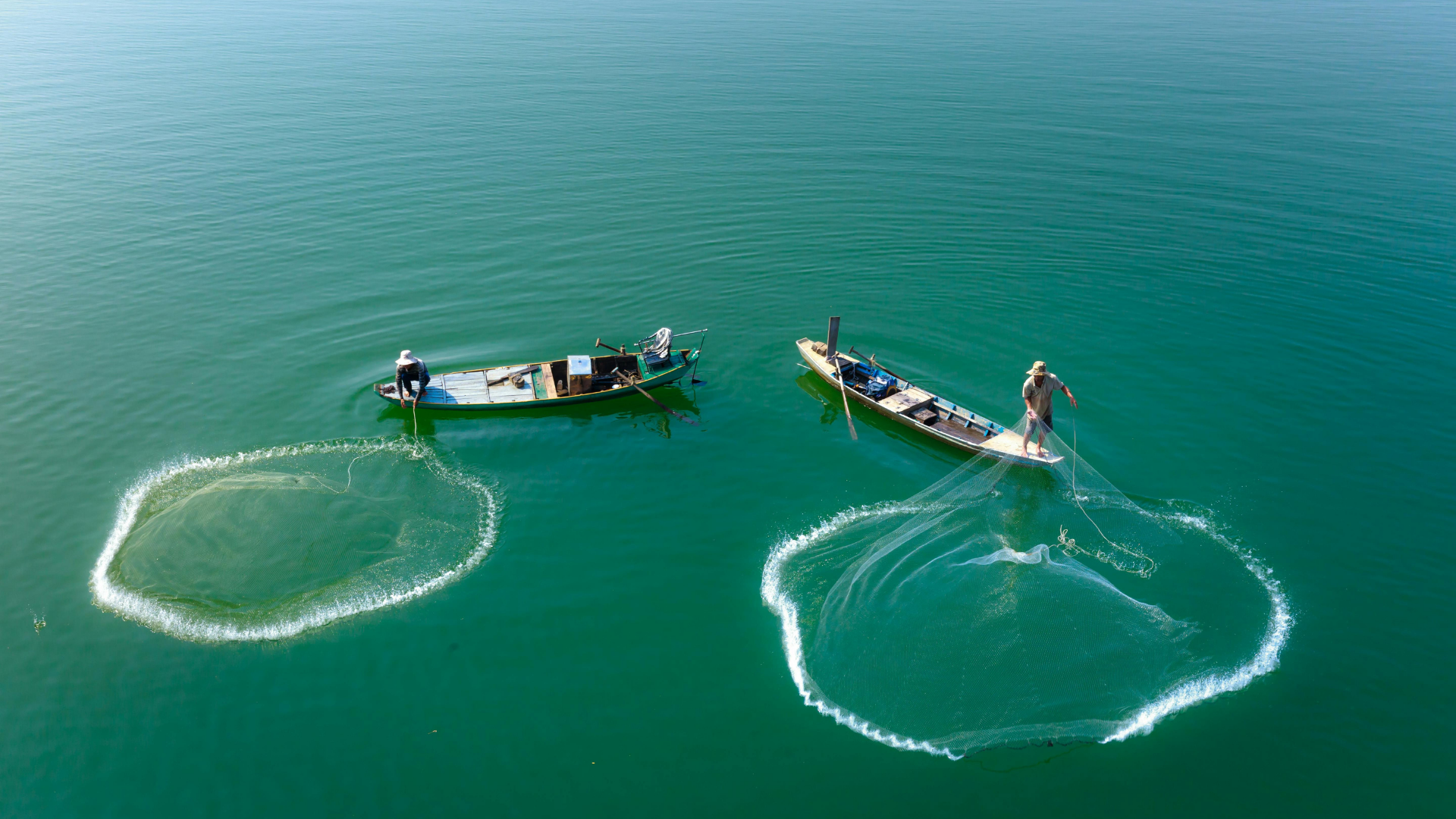
People exchange goods and services directly in transparent markets, minimizing arbitrage and speculation. Intermediaries add value only when they provide real logistical or informational services — such as bringing goods not available locally. The default is to buy from local producers, building demand-driven production and reducing waste. Middlemen no longer capture the majority of value and artificially inflate prices; instead, producers and consumers see each other across the stall table, or connect on shared digital platforms.

MONEY IS REAL
AND ROOTED
Currency is backed by tangible assets — gold, silver, or other commodities — and circulates as a public utility rather than a private profit center. Digital systems can facilitate real-asset-backed money without handing monopoly control to banks. Inflation becomes a function of actual goods and services, not an artificial by-product of credit creation.
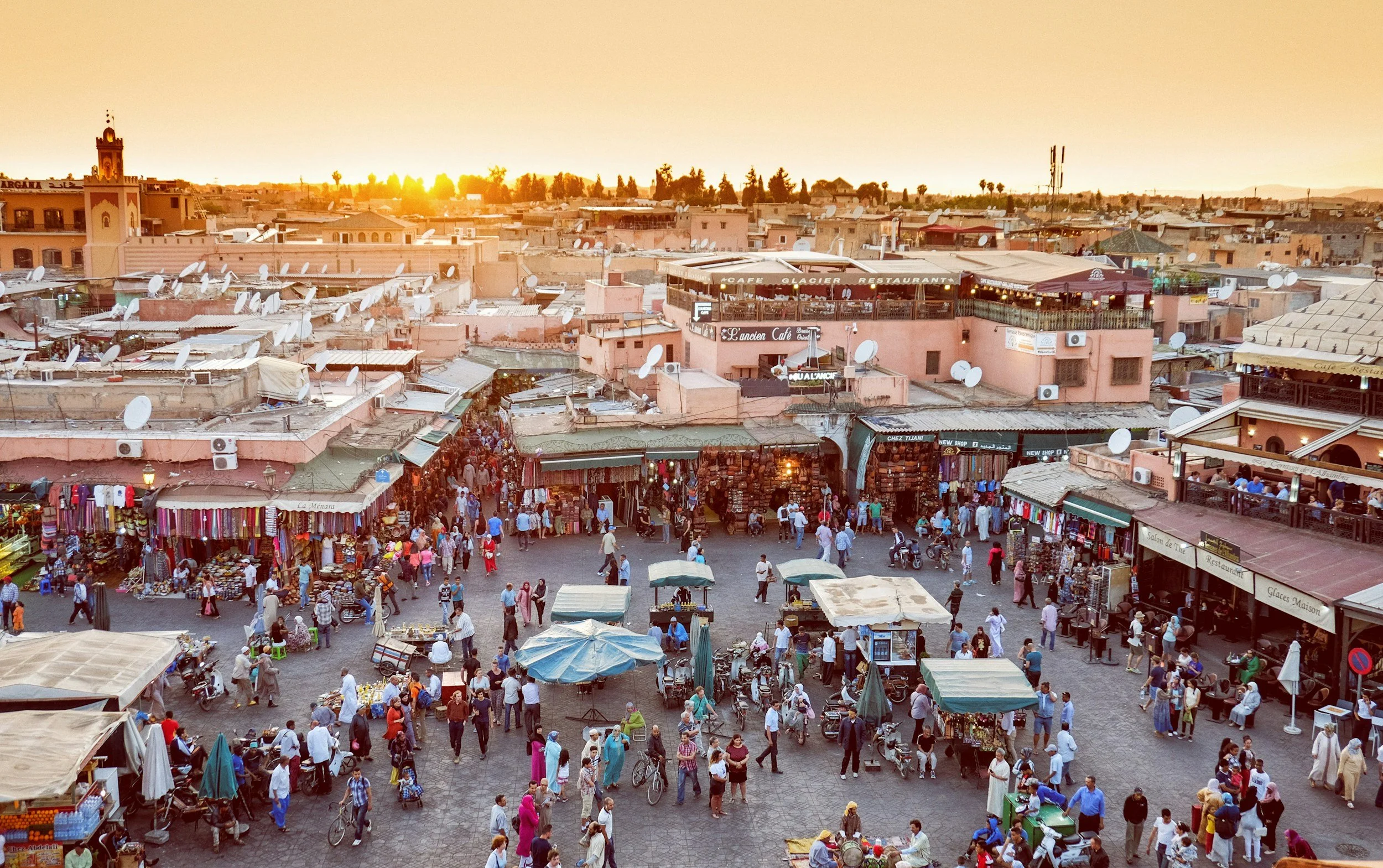
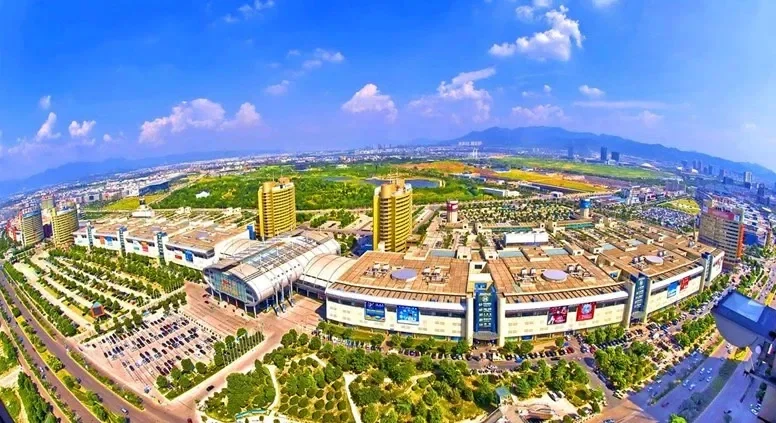
These features are not hypothetical. Many pre-modern societies implemented them at scale, and contemporary innovations and experiments demonstrate their viability: farmers’ markets, cooperative businesses such as Arizmendi and Mondragon, and local currency projects demonstrate how community-rooted commerce can thrive. The modern city of Yiwu in China shows how shared market infrastructure can propel regional prosperity. Early attempts to mint a gold dinar in Kelantan or to create asset-backed digital currencies reveal the demand for stable, real money.
What Majalis Does:
Majalis Fund is not a charity and not a speculative venture.
It is a stewardship institution guided by 3 verbs on 3 levels:

Level One

Impact Investing
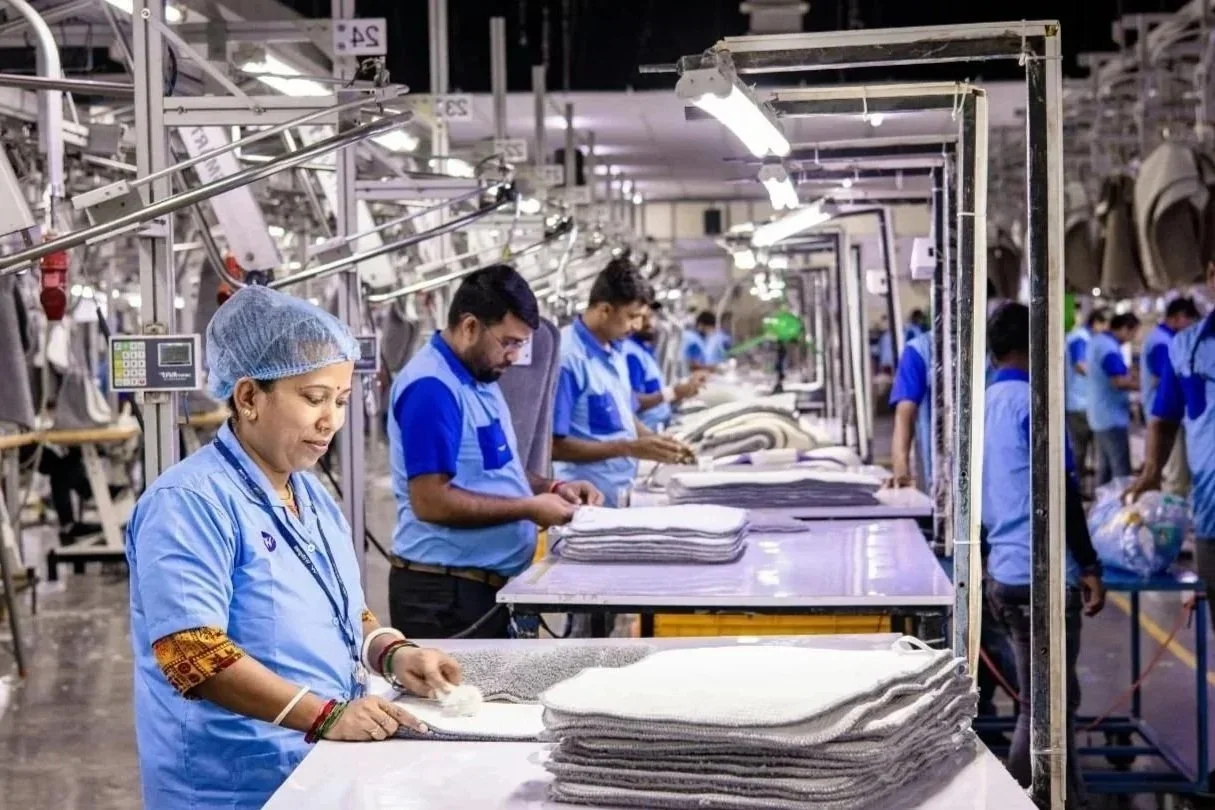
Deploy patient capital in projects and productive commons that enable or demonstrate the model such as marketplaces, factories, , warehouses, transport and logistics, media/ tech hubs and community centers to activate local potential.
Growth Investing
Investment in values aligned, real-economy ventures with proven return track-records to grow the capital base, and replenish resources. This also aims to expand commerce opportunities for our funded partners.

Philanthropic Lending
Providing interest-free financing for philanthropic and beneficial projects without creating grant-dependancy. This will include micro and macro loans, forgivable loans, and collaboration with lending-partners with local or domain expertise.

Level Two
Advise
In partnership with our policy and research institution partners, support initiatives to gain approval. Provide advisory counsel and policy recommendations to aligned governments, municipalities and NGOs.
Enable
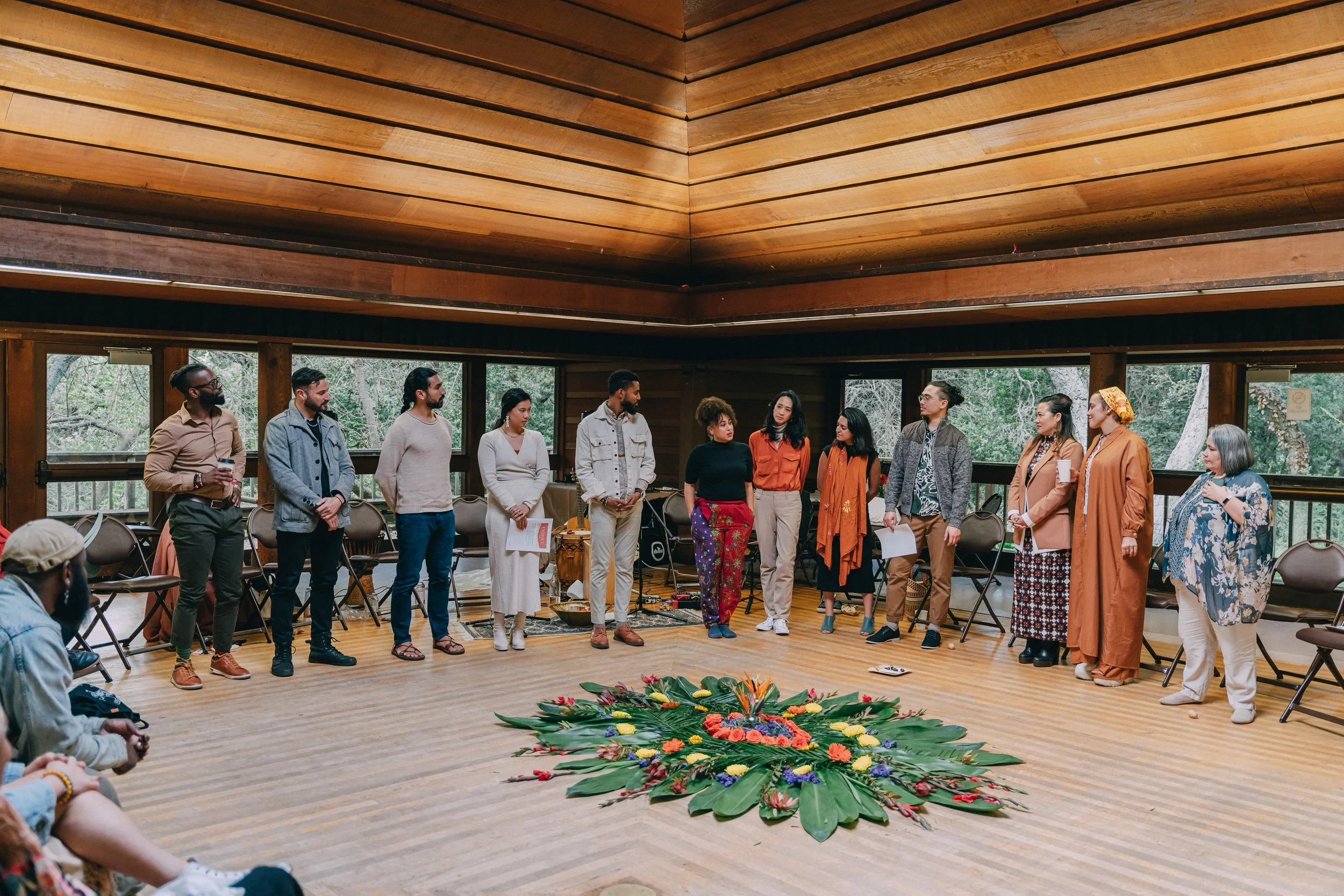
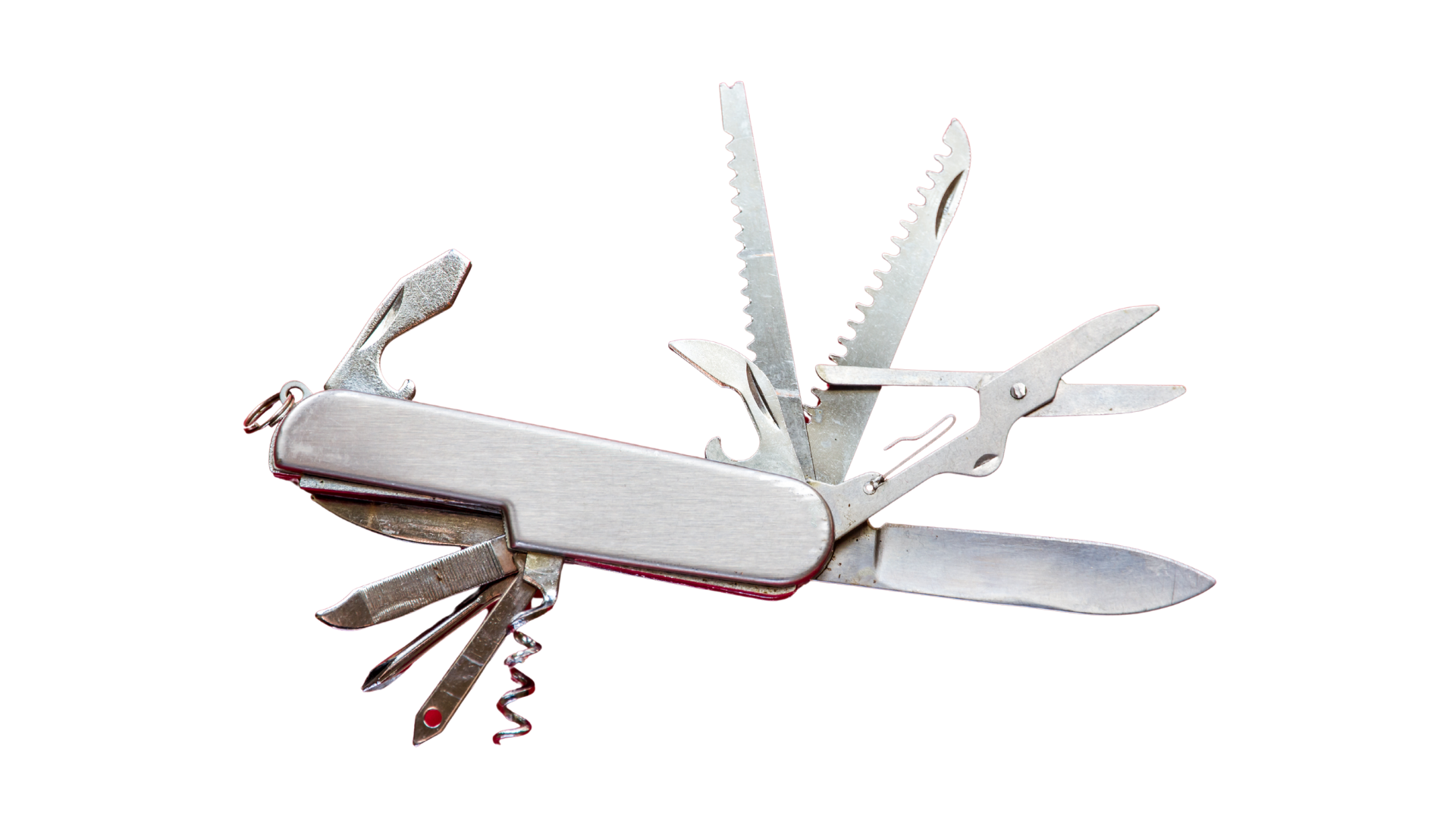
Develop a network of collaboration between initiatives, projects, governments, NGOs, policy and research institutes, and funderes to catalyze the creation of a Moral Economy Ecosystem.

Train
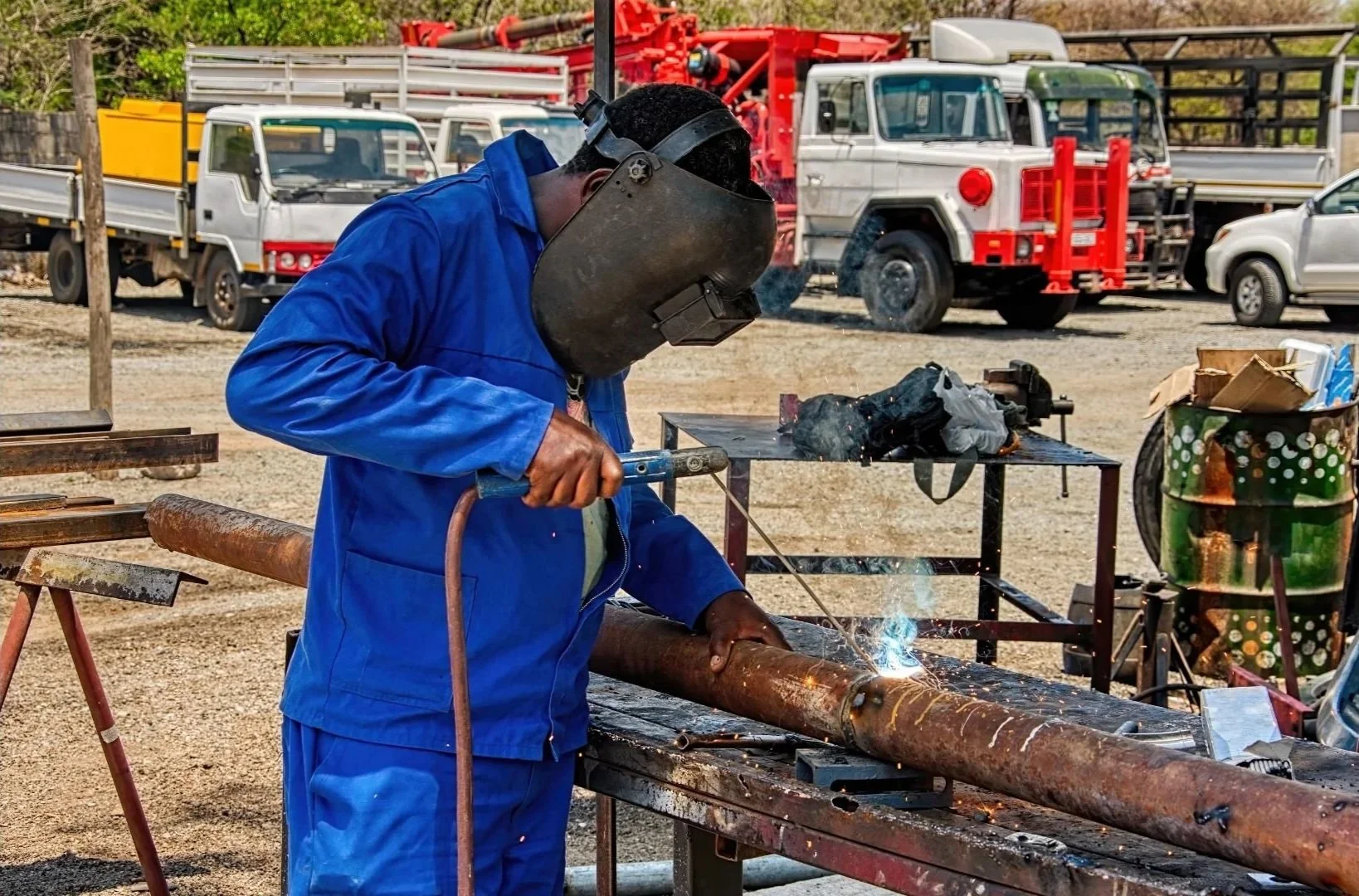
Develop leadership and eco-system wide expertise and capacity for independent implementation and maintenance of economic models. Provide through training and consulting partners.
Level Three
Revive
Reintroduce time-tested economic practices — such as commonly held endowments, guild apprenticeships, and public marketplaces — adapted to current contexts.

Rebuild
Develop sovereignty for communities who’s history has been marked by patterns of exploitative dependance by providing them with their own means of production.

Reimagine
Carve a path towards a new economic future - turning the current crisis into an opportunity. Creating a parallel system that wins through superiority, not confrontation.
Boundaries and Commitments
Majalis will not compromise its principles. It will refuse to engage in usury, decline investments that depend on debt extraction, and avoid speculation in non-productive financial instruments. The fund will not “play small” or settle for incremental projects that leave structures intact. Its aim is transformation, not tokenism. Our investment and granting partners are just that - partners, not “subjects of experiments” or objects of financial games.

How Majalis Sustains Itself
Majalis is designed to be self-sustaining over time through legitimate, non-extractive value flows to grow and sustain the fund, and the initiatives.
Growing and Sustaining the Fund:
Grants, donations and investments from aligned partners and philanthropies to expand the capital base
Endowment earnings from real-economy investments, preserving principal where possible
Loan repayments from interest-free financing
Profit shares from operating partnerships
Growing and Sustaining the Initiatives:
Seed and starter grants and investments to develop governance, commons infrastructure and systems
Rental fees for commons infrastructure — production space, equipment, machinery, etc.
Service revenues from additional logistics, storage, and security services offered to traders and producers
Revenues from tertiary services — lodging, dining, entertainment, tourism, etc.
Transaction fees on asset-backed digital currency platforms, with spreads reinvested into new commons
Proofs That It Can Work
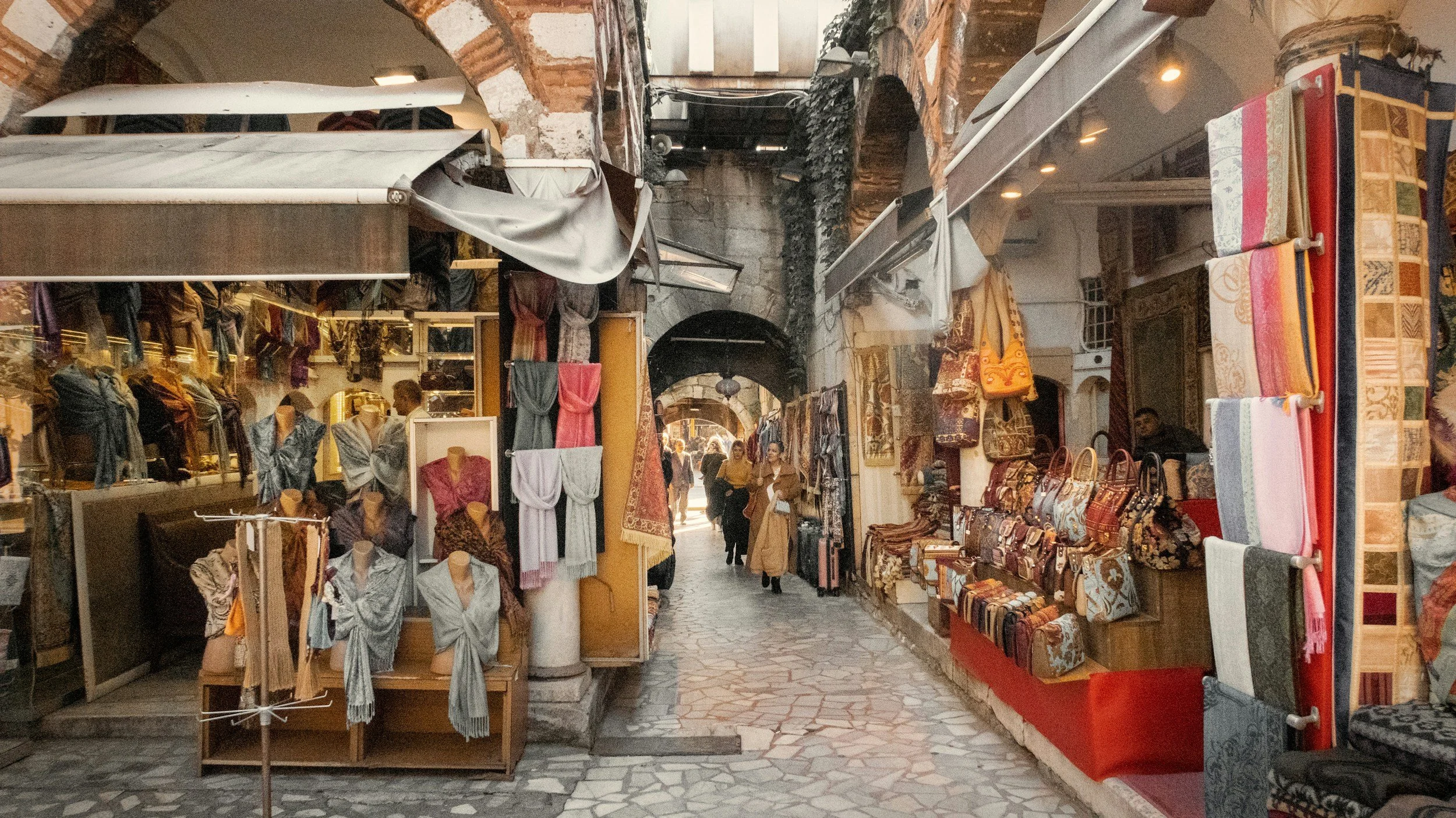
Historic markets and endowments: Souqs such as Khan al-Khalili in Cairo and the Grand Bazaar in Istanbul operated for centuries as hubs of commerce, finance, and culture. Many were financed by endowments (waqf) that provided shops, schools, and hospitals, demonstrating that public trust institutions can sustain complex economies.
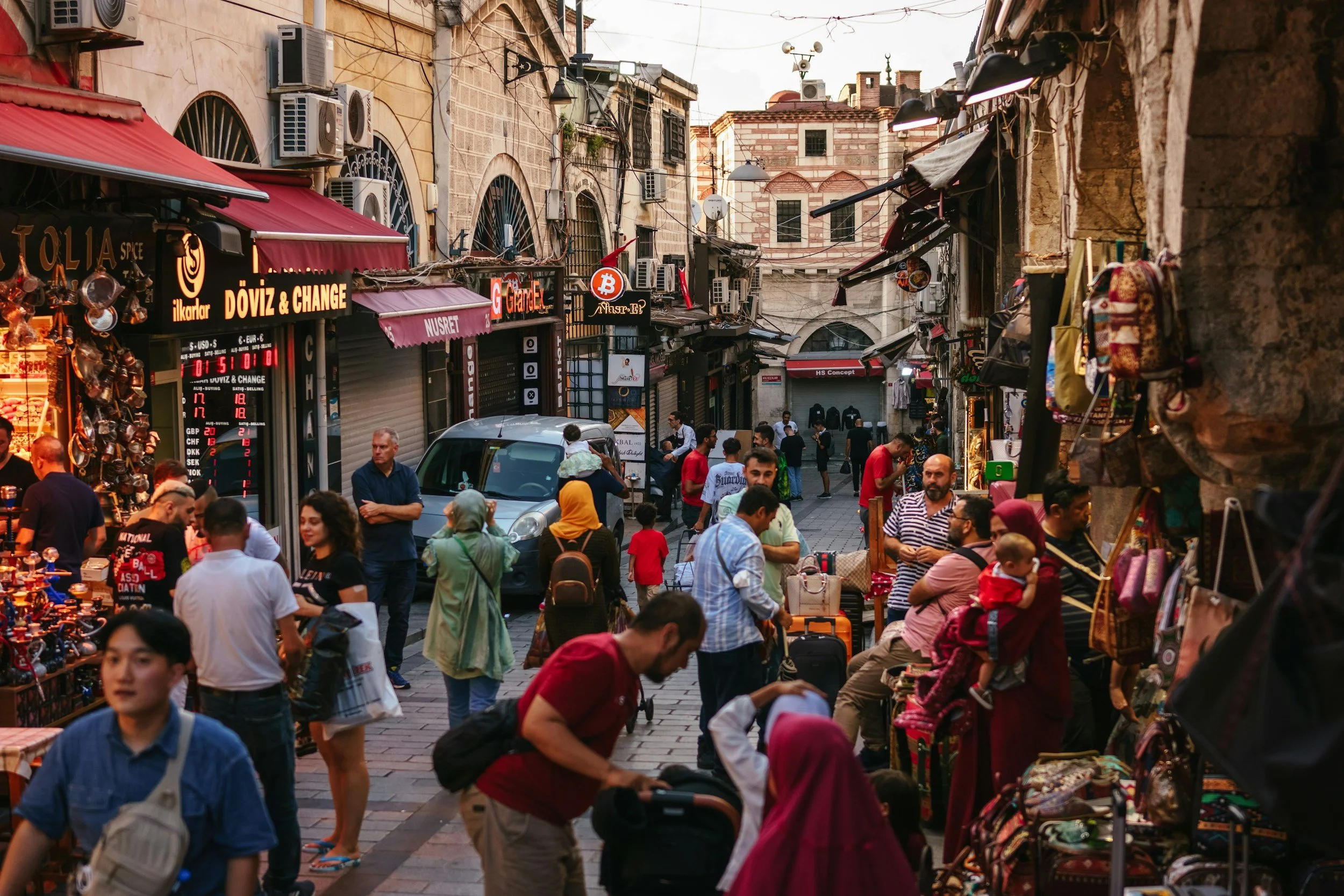
Contemporary public markets: Farmers’ markets, Facebook Marketplace, and flea markets show persistent demand for peer-to-peer trade, even amid corporate attempts to monopolize commerce.
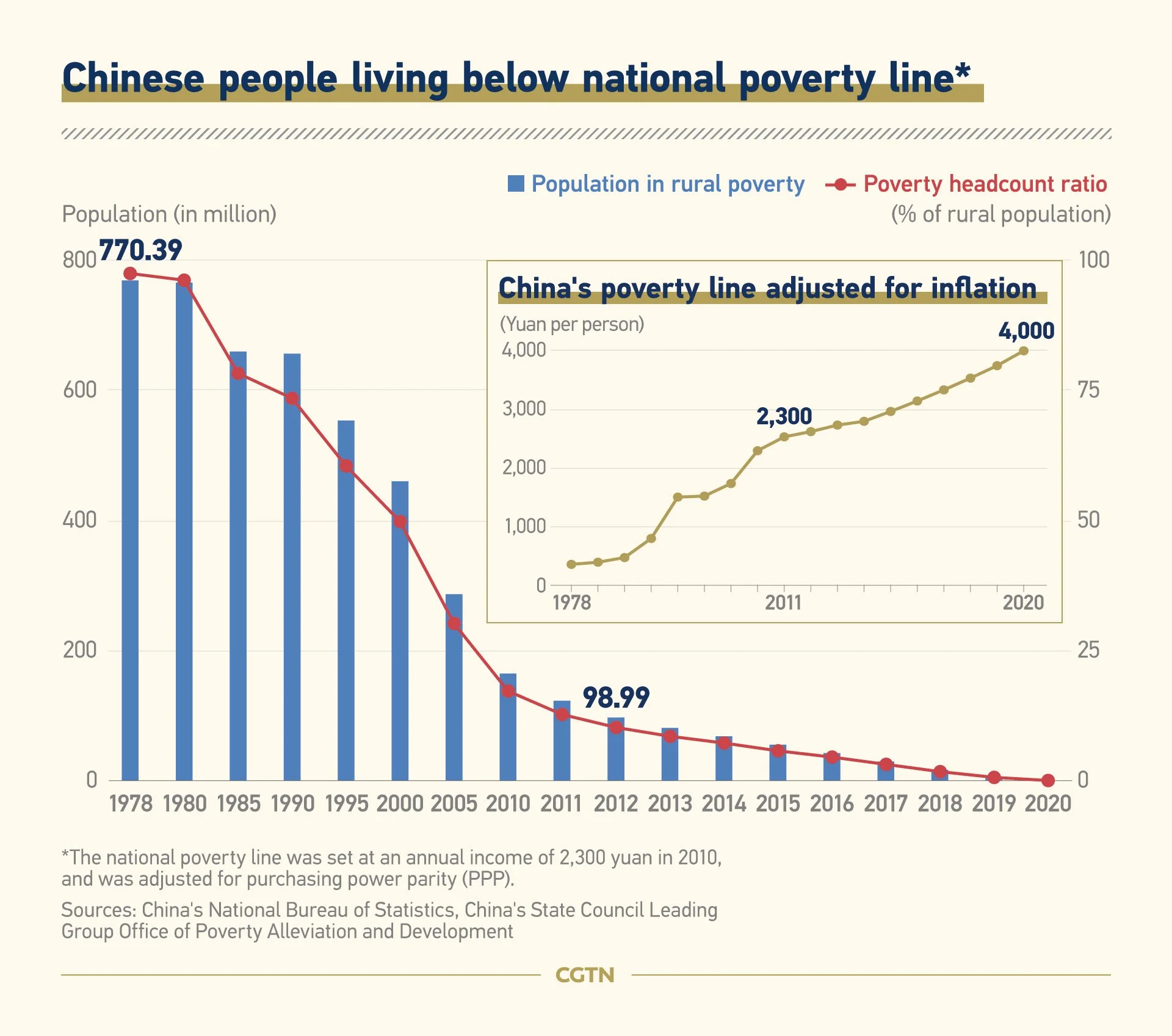
Large-scale poverty reduction: China’s strategy of targeted investment and public infrastructure lifted hundreds of millions out of poverty, showing that structural interventions — not financialization — drive shared prosperity.
Interest-free finance in religious traditions: All major faiths either reject or limit interest, regarding it as exploitation of people’s need for money for personal gain. This moral consensus across religions underscores that an economy without usury is not radical; it is a return to widely held ethical norms.

Public health achievements: Increases in life expectancy in the 20th century were largely due to public health measures such as vaccination, sanitation, and safer food, showing that structural investments in the commons deliver human wellbeing more effectively than financial complexity.

Majalis is being built deliberately - 3 Pillars in 3 phases:

Phased Development
Phase 1
Seed and Demonstrate
Establish the fund, secure initial commitments, and prove the concept through the Culture pillar — supporting artists and cultural ecosystems as economic infrastructure.
Phase 2
Build “Commerce”
Deploy capital into productive businesses and commons infrastructure — starting with projects that generate cash flow while embodying the ethos — and expanding into markets, manufacturing hubs, and cooperative farms.
Phase 3
Enhance Cohesion
Link markets into regional and eventually international trade routes; advise governments and institutions on commons-oriented models; build governance networks and platforms that make coordination and legitimacy durable.
The current financial system is not failing because of bad actors; it is succeeding at what it was designed to do: concentrate wealth, expand debt, and extract value. That design has reached its limit.
Majalis offers a different design, rooted in shared stewardship, real assets, and human dignity. It calls upon funders, thinkers, and communities to help revive the commons and rebuild the real economy — not out of nostalgia, but out of necessity and possibility.
For those who feel the current order offers no path forward, Majalis is an invitation to imagine — and build — a system that honors work, preserves wealth for all, and restores balance to our economies.
Conclusion: A Case for Action

Request Technical Thesis
Learn more about portfolio structure, diligence standards, governance framework, capital instruments, and risk discipline